
Health & Wellness
The Complete Guide to Alluvi Research Peptides: Innovation in Peptide Science
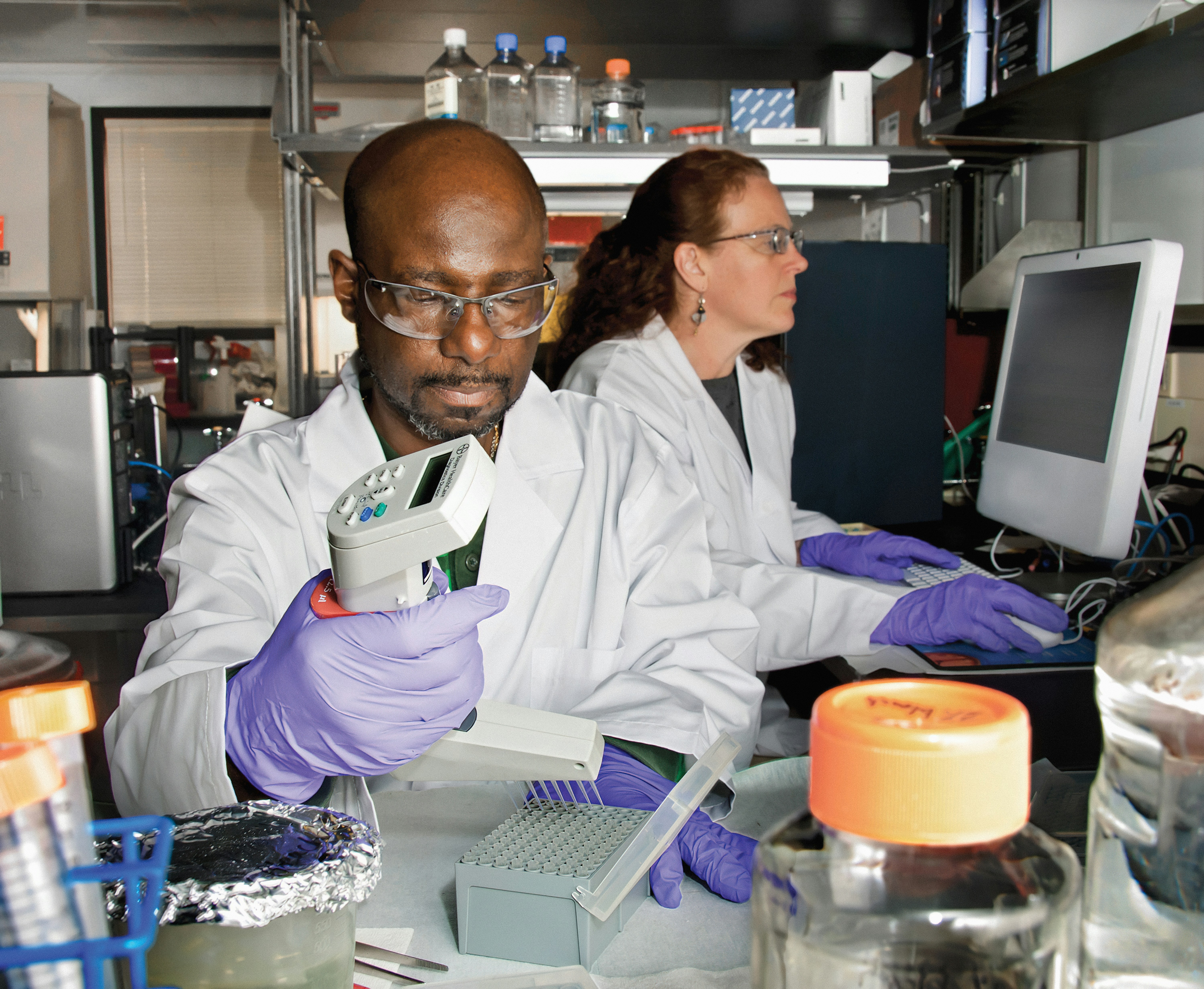
Introduction to Alluvi Research Peptides
Alluvi research peptides represent a significant frontier in the field of peptide science, characterized by their intricate structures and diverse biological activities. These short chains of amino acids play critical roles in various physiological processes within the body, acting as signaling molecules, hormones, and regulators of biological functions. As researchers delve deeper into the realm of peptides, the study of alluvi variants has garnered considerable attention due to their therapeutic potential and implications in various medical applications.
The significance of alluvi research peptides extends beyond mere academic interest; they are increasingly recognized for their potential roles in treating a range of medical conditions. Their ability to modulate biological pathways presents opportunities for innovative treatments in areas such as oncology, endocrinology, and neurology. For instance, advancements in the development of peptide R and its analogs have shown promise in manipulating specific signaling pathways, highlighting the importance of rigorous research in this domain.
Ongoing investigations into alluvi research peptides are essential to unlock their full potential and to better understand the complexities of peptide interactions within biological systems. With the continuous exploration of their structure-activity relationships, scientists aim to optimize these peptides for practical applications, which may lead to the development of novel therapeutic agents. By expanding our understanding of how these peptides function at a molecular level, researchers hope to pave the way for breakthroughs in personalized medicine and targeted therapies.
In essence, alluvi research peptides embody a dynamic area of study within biochemistry and medicine, encouraging collaborations between researchers to further elucidate their mechanisms and applications. As the field advances, the potential for peptide-based therapies continues to grow, underscoring the critical need for ongoing research and innovation in peptide science.
Understanding Peptides: Basics and Beyond
Peptides are short chains of amino acids, the building blocks of proteins, and play essential roles in various biological functions. Comprised of as few as two to fifty amino acids, peptides can be classified based on their size and function. The primary structure of a peptide is determined by the sequence of amino acids, which is linked by peptide bonds. These bonds form through a dehydration reaction, resulting in a robust molecular structure that maintains stability while allowing for functionality.
The distinction between peptides and proteins lies primarily in their size and complexity. While peptides generally refer to smaller chains of amino acids, proteins are larger, more complex structures formed by one or more chains of amino acids folded into precise three-dimensional shapes. Proteins can serve a myriad of functions, including enzymatic activity, structural roles, and signaling processes, whereas peptides often act as signaling molecules or hormones, influencing various physiological responses.
Peptides are involved in a range of functions, such as modulating immune responses, acting as neurotransmitters, and regulating metabolic pathways. Their ability to communicate specific messages within the body highlights their importance in biochemistry and pharmaceutical research. Notably, alluvi research peptides have been developed to explore these biological actions further, with a focus on harnessing peptides’ potential in clinical applications. Additionally, this specialization allows for the synthesis of compounds like peptide r, which can be utilized for therapeutic benefits.
Understanding peptide synthesis and function is vital for appreciating the unique properties of alluvi research peptides. These innovations represent advancements in peptide science, offering promising avenues for research and therapy. By exploring the fundamental concepts surrounding peptides, researchers and enthusiasts alike can better understand their implications in health, wellness, and therapeutic interventions.
Innovative Applications of Alluvi Research Peptides
Alluvi research peptides have emerged as a groundbreaking element in various sectors, including medicine, skincare, and sports performance enhancement. The advancements in peptide science have opened new avenues for the application of these compounds, promoting their versatility and effectiveness. One significant area where alluvi research peptides have made a remarkable impact is in regenerative medicine. These peptides are known to facilitate tissue repair and regeneration by promoting cellular growth, reducing inflammation, and enhancing the healing process. Researchers are actively exploring their potential in treating conditions such as chronic wounds, osteoarthritis, and even certain neurological disorders.
In the realm of skincare, alluvi research peptides are gaining popularity for their ability to stimulate collagen production and improve skin elasticity. They are often incorporated into cosmetic formulations designed to combat aging, reduce the appearance of fine lines and wrinkles, and enhance overall skin texture. Noteworthy peptide candidates, including peptide R, have exhibited promising results in clinical trials, exhibiting their efficacy in promoting healthy, youthful skin. This innovation has led to a surge in the formulation of peptide-based anti-aging products that cater to consumers seeking effective methods to mitigate the visible signs of aging.
Furthermore, in the field of sports performance, alluvi research peptides are being investigated for their potential to enhance athletic performance and recovery. Peptides are known to boost muscle growth, improve endurance, and accelerate recovery times following intense training sessions. This has piqued the interest of athletes and fitness enthusiasts alike, who are looking for alternatives to traditional performance-enhancing substances. As a result, researchers are delving into the development of peptide therapies that could potentially provide a legal and effective means of optimizing athletic capabilities without the adverse effects commonly associated with anabolic steroids.
Overall, the innovative applications of alluvi research peptides reflect the dynamic nature of peptide science. With ongoing research and development, the potential of these peptides across multiple fields continues to expand, paving the way for future breakthroughs and enhanced therapeutic options.
The Science Behind Alluvi Research Peptides
Alluvi research peptides, including key variations such as peptide R, have gained significant attention in the field of peptide science due to their innovative applications and potential therapeutic benefits. The development of these peptides is grounded in a detailed understanding of molecular biology and synthetic chemistry. Researchers utilize advanced techniques such as solid-phase peptide synthesis, allowing for the precise assembly of peptides according to specific amino acid sequences. This meticulous approach enables the creation of alluvi peptides with tailored bioactivity profiles, addressing particular physiological needs or therapeutic targets.
The bioactivity of alluvi research peptides is a fundamental aspect of their design. This involves examining how these peptides interact with biological receptors and influence cellular processes. Through rigorous testing, scientists assess the efficacy of various peptide formulations, aiming to optimize their stability and bioavailability. Ongoing studies frequently evaluate these aspects to ensure that alluvi peptides maintain their functionality within biological systems. Recent research has highlighted the potential of peptides like peptide R in enhancing tissue repair mechanisms and modulating inflammatory responses, further validating their therapeutic promise.
Additionally, the incorporation of technology in peptide research plays a crucial role in advancing the understanding of alluvi peptides. Computational modeling and bioinformatics are increasingly used to predict peptide behavior and interactions, streamlining the design process and reducing time spent in the laboratory. As this field evolves, new methodologies and innovative products continue to emerge, pushing the boundaries of peptide science. The ongoing collaboration among researchers, pharmaceutical developers, and clinical practitioners is essential for translating these scientific developments into practical applications that benefit health and wellness.
Safety and Regulatory Considerations
Safety is a paramount concern when it comes to the use of alluvi research peptides, particularly as these compounds are synthesized for therapeutic and research applications. The responsible use of peptide r and its variants demands a thorough understanding of potential side effects associated with these substances. While many peptides have demonstrated efficacy and safety in research settings, their effects can vary based on dosage, method of administration, and individual response. Common side effects reported may include allergic reactions, irritation at the injection site, and systemic effects depending on the specific peptide formulation.
In navigating the complexities of peptide science, regulatory frameworks play a crucial role in guiding the safe development and use of alluvi research peptides. Regulatory agencies, such as the Food and Drug Administration (FDA) in the United States, establish guidelines that govern the manufacturing, testing, and marketing of peptide products. Such regulations are vital to ensure that any peptide, including peptide r, is produced under stringent conditions that verify its safety, potency, and effectiveness. Compliance with these standards is essential to minimize risks and protect consumer health.
Researchers and manufacturers involved in the production of alluvi research peptides are also dedicated to rigorous quality control processes. These may include impurity testing, batch consistency assessments, and long-term stability studies. By adhering to best practices and international standards, researchers contribute to a more secure environment for both investigational use and potential therapeutic applications. The intersection of meticulous research and stringent regulatory oversight fosters the ongoing advancement of peptide science while ensuring the welfare of those who may benefit from these compounds. In conclusion, safety and regulatory considerations are fundamental to the responsible use of alluvi research peptides and are critical for future scientific innovations in this field.
How to Select Quality Alluvi Peptides
Selecting high-quality alluvi research peptides requires careful consideration of several factors. Quality assurance in peptide synthesis is paramount, and consumers should focus on sourcing, testing, and certifications to ensure they are acquiring effective products.
Firstly, the source of alluvi peptides is crucial. Reputable manufacturers often provide transparency regarding their raw materials, which should be derived from high-quality biological sources. Thorough research into the manufacturer’s background can reveal their commitment to quality and adherence to industry standards. It’s advisable to choose peptides that are produced in facilities compliant with Good Manufacturing Practices (GMP), as this regulatory framework ensures that products are consistently produced and controlled according to quality standards.
Testing is another critical aspect when selecting alluvi research peptides. Look for companies that conduct third-party testing to validate the purity and potency of their peptides. Independent laboratories should verify the identity, strength, and quality of the peptides, as well as screen for contaminants. Such rigorous testing protocols demonstrate a manufacturer’s dedication to quality assurance and trustworthiness in the market.
Additionally, certifications play a vital role in differentiating quality alluvi peptides. Seek products that have been certified by relevant organizations or have passed certain quality assessments. Certifications can provide an extra layer of assurance regarding both the safety and effectiveness of the peptides. Consumer reviews and testimonials can also serve as valuable resources to gauge the experiences of others in the community, further informing your purchasing decisions.
By focusing on reputable sourcing, comprehensive testing, and notable certifications, consumers and researchers can enhance their chances of selecting high-quality alluvi peptides, ensuring that their investment supports their research or application objectives effectively.
Future Trends in Peptide Research
Peptide research has steadily gained momentum in recent years, paving the way for a future filled with promising innovations and advancements. Alluvi research peptides, a subset of this scientific domain, are anticipated to play a pivotal role in revolutionizing various medical and therapeutic applications. One of the significant trends is the integration of artificial intelligence and machine learning into peptide research. Researchers are beginning to utilize these technologies to analyze vast datasets, allowing for faster identification of effective peptide sequences, including those developed from alluvi peptides.
Moreover, advancements in synthetic biology are expected to foster the creation of novel peptides with enhanced therapeutic properties. This includes the ability to engineer peptides that exhibit higher potency, specificity, and stability. Peptide R, a notable compound among alluvi research peptides, exemplifies this trend and showcases how synthetic biology is instrumental in optimizing peptide performance. Researchers are also exploring bioinformatics tools, which can facilitate the prediction of peptide behavior and interactions, ultimately accelerating the development process.
Another area of focus is the growing interest in personalized medicine, where peptide-based therapies will be tailored to individual patients based on their unique genetic profiles. With the rise of genomics and proteomics, the customization of peptides offers the potential for more effective treatments with fewer side effects. In addition, ongoing investigations are paying close attention to the formulation and delivery mechanisms for peptide therapies. Innovations such as nanoparticle delivery systems or transdermal patches could improve the absorption and bioavailability of alluvi research peptides, leading to enhanced therapeutic outcomes.
Lastly, collaboration between academia, industry, and regulatory bodies is expected to shape the landscape of peptide research. These partnerships will be crucial in overcoming regulatory hurdles and facilitating the translation of lab discoveries into viable clinical applications. As the field of peptide science continues to evolve, the future trends indicate a dynamic and flourishing environment that holds promise for advancing health outcomes through alluvi research peptides and their derivatives.
Case Studies: Success Stories in Alluvi Peptide Applications
Alluvi research peptides have increasingly demonstrated their effectiveness across various industries, yielding notable success stories that highlight their transformative potential. One prominent application can be found in the field of regenerative medicine, where peptide R has emerged as a crucial player. In a notable case, researchers utilized peptide R to stimulate tissue regeneration in patients who suffered from severe burns. The results showcased accelerated healing processes and a significant reduction in scarring, which not only enhanced the quality of life for patients but also reduced the overall healthcare costs associated with prolonged recovery.
Another case study illustrating the impact of alluvi research peptides can be found in the realm of sports science. In this instance, a professional athletic team integrated a specific alluvi peptide formulation into their training regimen. The team reported an improvement in muscle recovery times and enhanced overall performance. Quantitative assessments indicated that athletes utilizing this peptide protocol experienced fewer injuries and demonstrated increased endurance levels during competitions. These findings underline the practical advantages of incorporating alluvi research peptides into high-performance environments.
Furthermore, the pharmaceutical industry has seen substantial innovation brought forth by alluvi research peptides. In a collaborative study aimed at tackling metabolic disorders, researchers leveraged peptide R for its appetite-regulating properties. The outcomes were promising, with participants experiencing significant weight loss without adverse side effects. This study not only contributed to the body of knowledge surrounding peptide applications but also stimulated further research into other potential uses in metabolic health management.
These case studies exemplify the versatility and efficacy of alluvi research peptides. By addressing challenges and capitalizing on their unique properties, diverse industries are beginning to realize the profound impact of peptide science. As research advances, there is no doubt that further success stories will emerge, reinforcing the importance of alluvi peptides in future applications.
Conclusion: The Future of Alluvi Research Peptides
The exploration of alluvi research peptides presents an exciting frontier in the fields of biochemistry, medicine, and biotechnology. Throughout this guide, we have delved into the various aspects of peptide R and its significant role within the realm of research peptides. The innovative properties of these peptides have shown remarkable potential in therapeutic applications, particularly in regenerative medicine, anti-aging treatment, and metabolic disorders. Their ability to modulate biological functions at a molecular level has positioned alluvi research peptides as essential tools in advancing modern healthcare solutions.
Moreover, the versatility of peptide R and its analogs further underscores the importance of continuous research in this area. By understanding the mechanisms underlying peptide activity, scientists can enhance the efficacy of existing treatments and potentially discover new therapeutic pathways. Ongoing studies and clinical trials are crucial for validating the safety and effectiveness of these compounds, opening avenues for diverse applications across various medical disciplines.
As the scientific community continues to innovate, the future of alluvi research peptides looks promising. Investment in research and development will illuminate the intricate relationships between peptides and their biological targets, contributing to more refined therapeutic strategies. Furthermore, the collaboration between academia and industry is expected to facilitate the translation of research findings into practical solutions that benefit patients and healthcare providers alike.
Encouraging further exploration of alluvi research peptides is vital for unraveling their full potential. By fostering an environment of inquiry and investigation, we can harness the transformative capabilities of these biochemicals and improve health outcomes worldwide, paving the way for a new era in peptide science.